 inbox Me
How to Receive OTP and Verification Codes Safely
One-time passwords (OTPs) and email verification codes are one of the most common reasons people reach for a temporary email address. Here's how to do it…
 One-time passwords (OTPs) and email verification codes are one of the most common reasons people reach for a temporary email address. Here's how to do it correctly, and where the limits are. ## When it's a good fit If a site or app sends a one-time code purely to confirm "this email exists and you can access it" — a common pattern for newsletter double opt-ins, forum signups, or gated downloads — a temp mail address works perfectly. The code arrives, you enter it, done.
 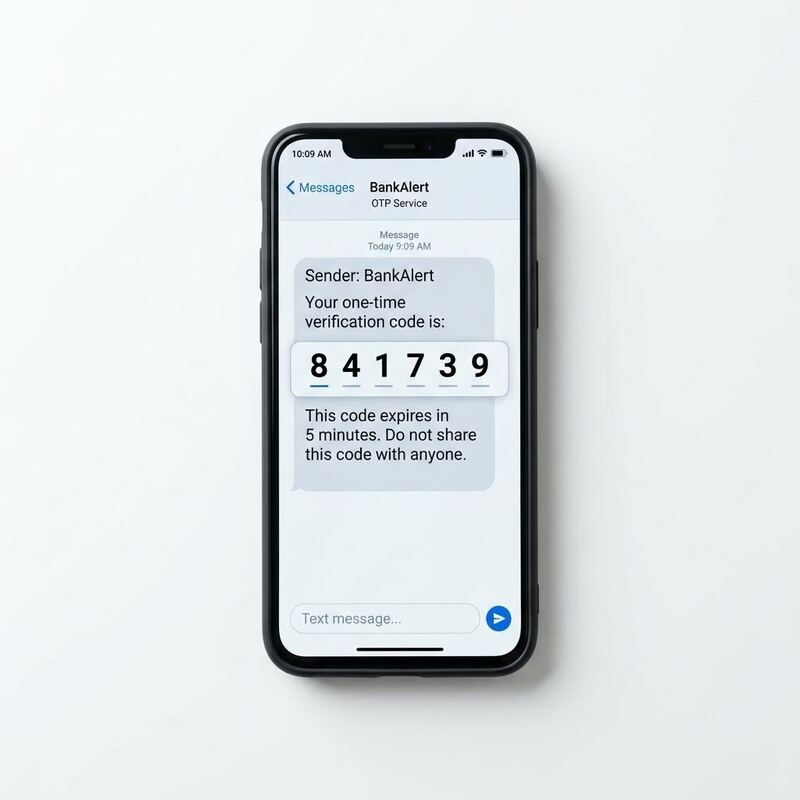 ## When it's risky If the OTP is protecting something tied to money, identity, or long-term account recovery — a bank login, a government portal, your primary email account's own 2FA — do not use a disposable inbox. Here's why: if that account is ever compromised or you lose access, the recovery flow almost always routes back through email. A temp mail address that's already been purged means there's no way back in for you — but potentially still a way in for an attacker who captured the code in time. ## A middle-ground case: shopping and one-off purchases Retail checkout OTPs (verifying a one-time purchase, not a persistent account) are generally fine with temp mail, since there's no ongoing account to protect afterward — see our guide to disposable email for shopping.
 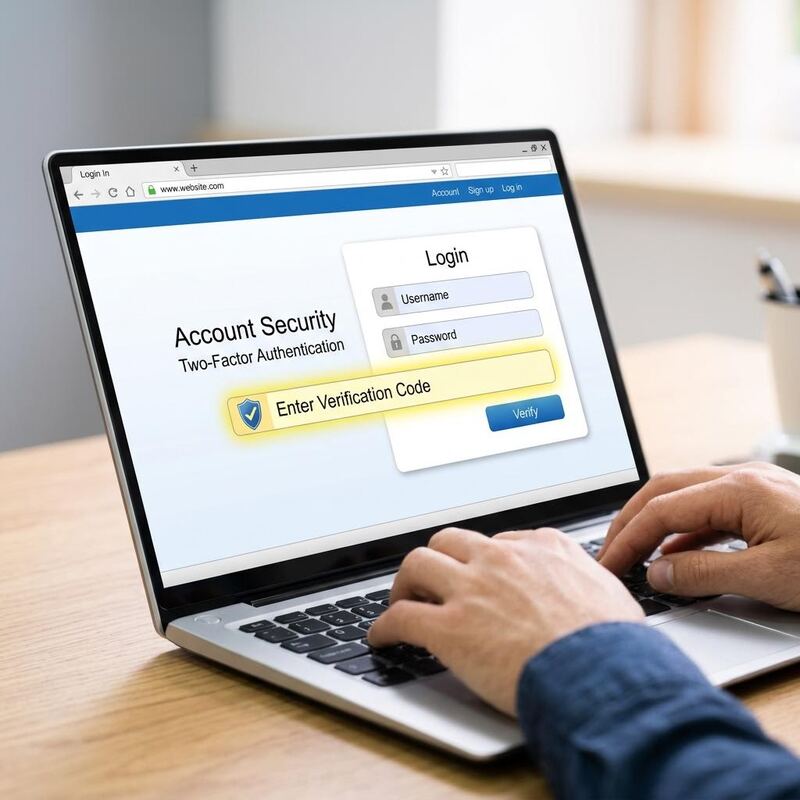 ## Practical safety habits - Act on the code immediately; don't leave a temp mail tab open unattended for long periods. - Never reuse the same temporary inbox across multiple unrelated services — treat each as single-use. - If a code is tied to a financial transaction or account recovery, stop and use your permanent, secured address instead. The short version: temp mail is great for proving you can receive email right now. It's the wrong tool for anything that might need to reach you again later.