 inbox Me
Best Practices for Protecting Your Real Email Address Online
Your real email address is one of the most reused pieces of personal data online — it's often the one thing tying together your bank, your social accounts,…
 Your real email address is one of the most reused pieces of personal data online — it's often the one thing tying together your bank, your social accounts, and every newsletter you've ever signed up for. A few consistent habits go a long way toward protecting it. ## Segment your addresses by risk Use one address for accounts that matter (banking, work, government services) and never hand it out casually. For everything else — trials, downloads, one-off forms — use a temporary email address so your real one never touches low-trust sign-up forms in the first place.
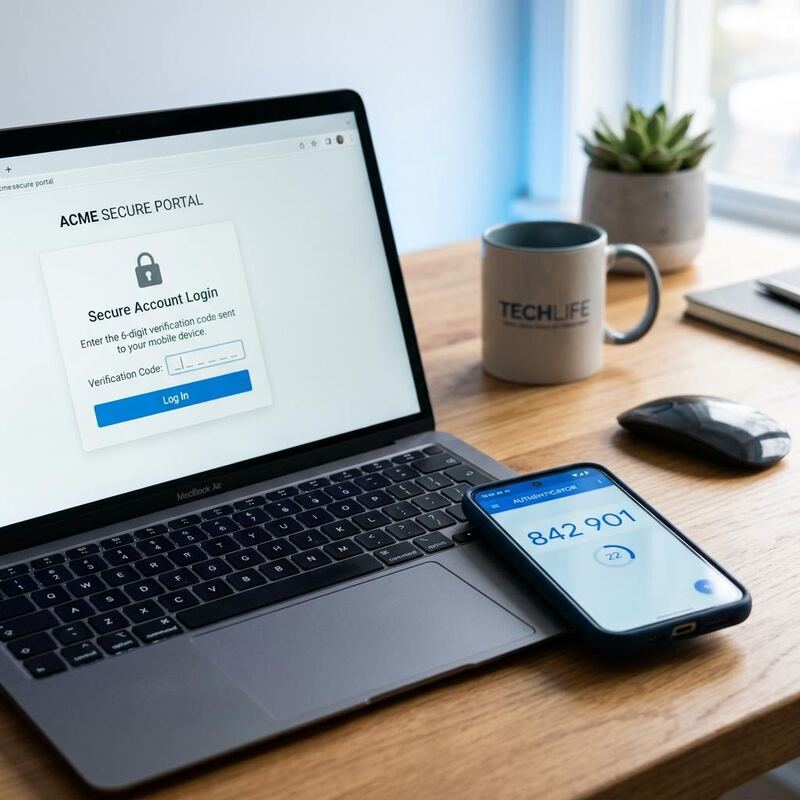
  ## Be skeptical of "just your email" gates Any site that asks only for an email to unlock content, a discount, or "early access" is very likely building a marketing list, not verifying anything about you. That's a textbook case for temp mail rather than your permanent inbox. ## Turn on two-factor authentication where it matters For the accounts tied to your real address, 2FA is the single biggest defense against account takeover if your password ever leaks in a breach. Prioritize this for banking, email itself, and any account with stored payment information.
  ## Check breach exposure periodically Services like Have I Been Pwned let you check whether your real address has already appeared in a leaked database. If it has, treat that address as higher-risk for new sign-ups and lean more heavily on disposable addresses going forward. ## Don't reuse passwords across the accounts you do keep This is unrelated to email specifically but compounds the same problem — a leaked password from one low-trust site, combined with a reused real email address, is how most account takeovers actually happen. Put these together and the pattern is simple: reserve your real address for what truly needs it, and let a free temporary email address absorb everything else.