 inbox Me
Common Myths About Temporary Email Addresses, Debunked
Temp mail is widely used but often misunderstood. Here are the most common myths, and what's actually true. ## Myth: "It's illegal to use a fake email…
 Temp mail is widely used but often misunderstood. Here are the most common myths, and what's actually true. ## Myth: "It's illegal to use a fake email address" Not true. Using a disposable email address is legal; at most, an individual service's terms may reject it. See our full breakdown of the legal picture. ## Myth: "Temp mail is only for spammers and scammers" The overwhelming majority of temp mail usage is completely mundane: free trials, gated downloads, coupon codes, and one-off verifications. See 10 smart everyday uses — none of them involve fraud.
 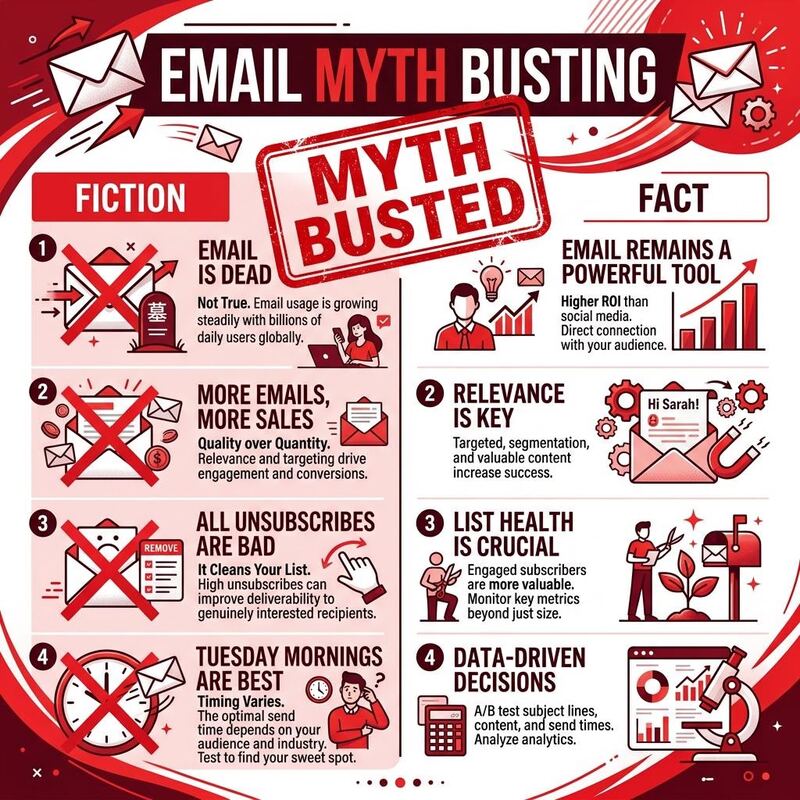 ## Myth: "It's just as safe as my real email for anything" Also not true. Because there's no recovery flow, temp mail is unsafe for anything tied to money, identity, or long-term account access. Our safety guide covers exactly where the line is. ## Myth: "All temp mail addresses last forever if I don't close the tab" Retention is provider-specific and generally short by design — usually hours to a few days server-side, regardless of whether your tab stays open. Don't plan around receiving something a week from now. See how long temp mail actually lasts. ## Myth: "Every website blocks temp mail addresses" Some do — mainly SaaS trials and communities actively fighting fake accounts — but most newsletters, e-commerce checkouts, and content downloads have no such restriction.
 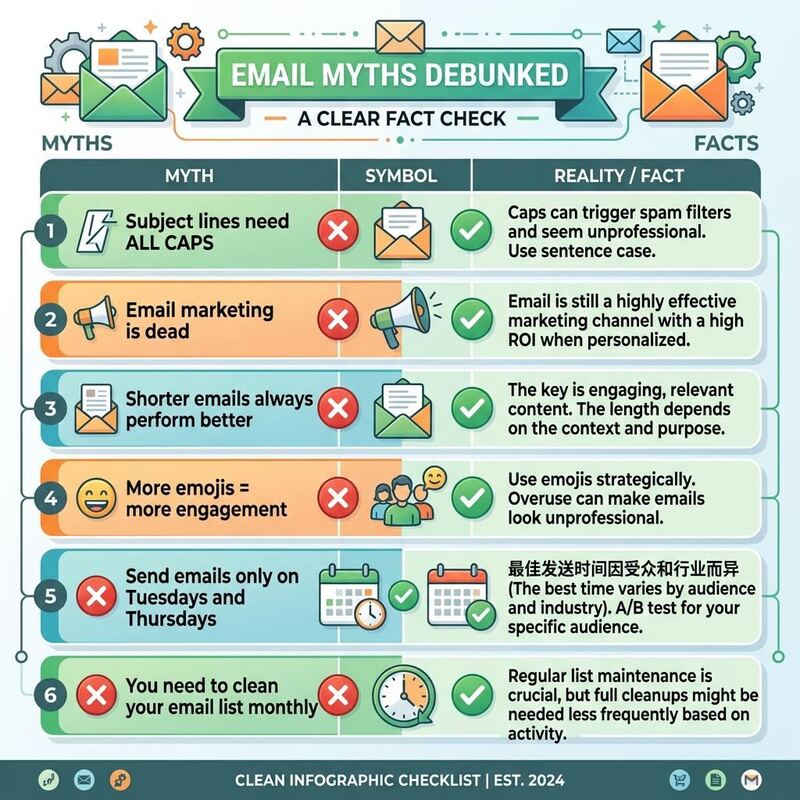 ## Myth: "It's basically the same as a Gmail alias" Aliasing still delivers to your real inbox and is trivially reversible; a temporary address is a fully separate inbox with no link back to you. See the full comparison. Understanding what temp mail actually is — and isn't — makes it a much more useful tool. Try a free temporary email address and see for yourself.